
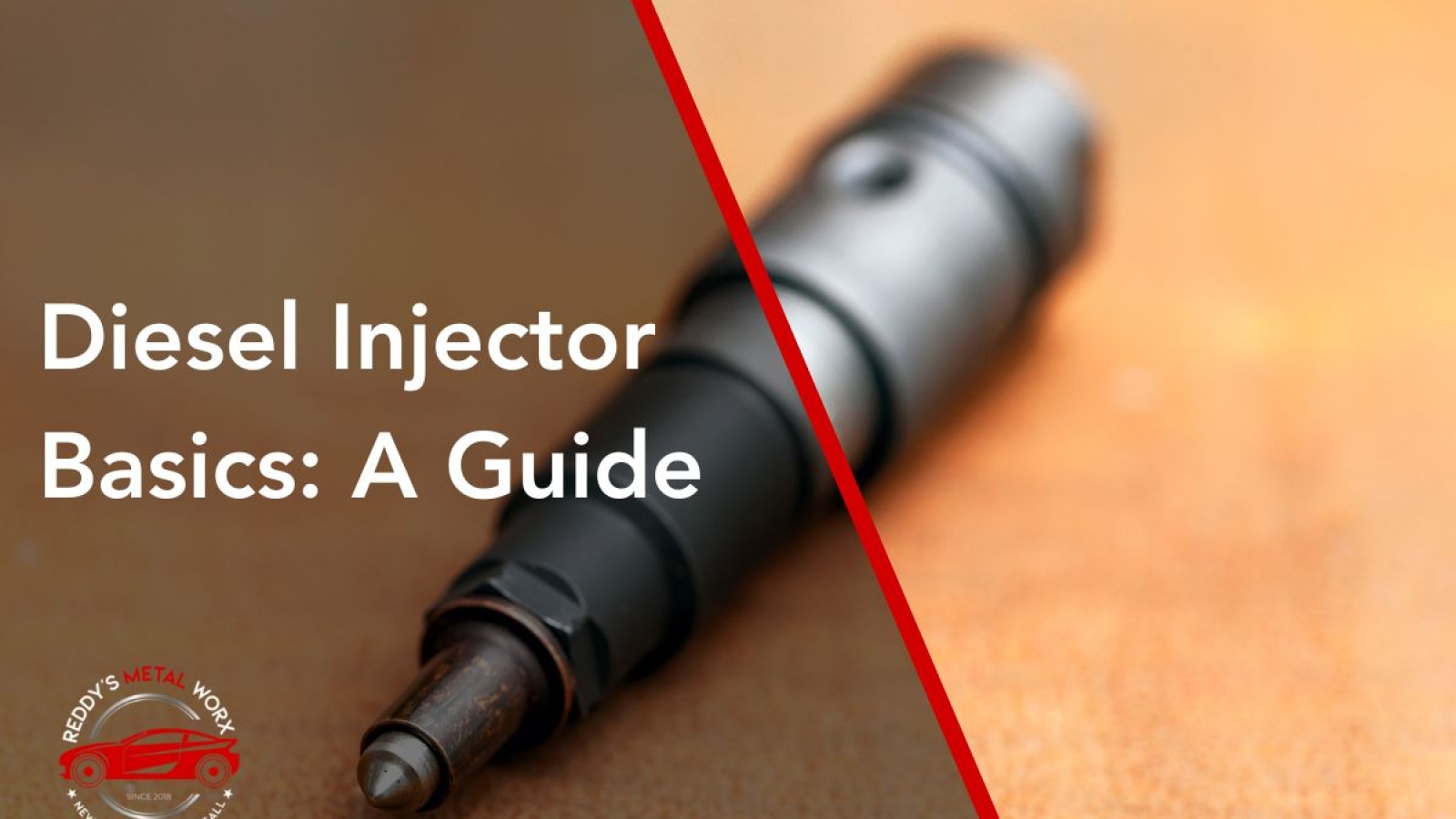

Diesel Injector Basics: Understanding the Heart of Your Fuel System
Diesel injectors are the unsung heroes of your diesel engine, responsible for delivering precise amounts of fuel at the right time for optimal combustion, power, and efficiency. Understanding the basics of these critical components can help you better maintain your fuel system and diagnose potential issues before they lead to costly repairs.
How Diesel Injectors Work
At their core, diesel injectors are essentially high-pressure nozzles that atomize fuel into a fine mist for efficient combustion. They are controlled by the engine’s electronic control unit (ECU), which determines the exact timing, duration, and quantity of fuel delivered based on various sensor inputs, such as:
- Engine speed
- Load
- Coolant temperature
- Intake air temperature and pressure
When the ECU sends a signal, the injector’s solenoid or piezoelectric actuator rapidly opens and closes the nozzle valve, allowing pressurized fuel to spray into the combustion chamber. This process repeats thousands of times per minute, with modern injectors capable of multiple injections per combustion cycle for improved performance and emissions.
Key Components of a Diesel Injector
A typical diesel injector consists of several essential components that work together to deliver precise amounts of fuel:
| Component | Function |
|---|---|
| Nozzle | Atomizes fuel into fine droplets for efficient combustion |
| Needle valve | Opens and closes to control fuel flow through the nozzle |
| Actuator (solenoid or piezoelectric) | Rapidly operates the needle valve based on ECU signals |
| Spring | Keeps the needle valve closed when the injector is not activated |
| Fuel inlet | Connects the injector to the high-pressure fuel supply |
| Electrical connector | Receives control signals from the ECU |
Injection Process
The diesel fuel injection process can be broken down into several stages:
- Injector activation: The ECU sends an electrical signal to the injector’s actuator, causing the needle valve to lift and open the nozzle.
- Fuel atomization: High-pressure fuel flows through the nozzle, atomizing into a fine mist as it enters the combustion chamber.
- Fuel delivery: The injector continues to spray fuel for the duration determined by the ECU, based on engine operating conditions.
- Injector closing: When the ECU signal ends, the actuator releases the needle valve, which is forced closed by the spring, cutting off fuel flow.
Multiple Injection Strategies
Modern diesel engines often employ multiple injection strategies to optimize performance, emissions, and noise reduction. These strategies involve splitting the fuel delivery into several distinct injections during a single combustion cycle:
| Injection Type | Purpose |
|---|---|
| Pre-injection (pilot) | Small fuel quantity injected before the main injection to reduce noise and emissions |
| Main injection | Primary fuel delivery for power production |
| Post-injection | Small fuel quantity injected after the main injection to aid in exhaust aftertreatment and particulate filter regeneration |
By precisely controlling the timing, duration, and quantity of each injection event, modern diesel engines can achieve high levels of efficiency, performance, and emissions compliance.
Common Types of Diesel Injectors
There are several types of diesel injectors, each with unique characteristics and advantages:
Mechanical Injectors
- Older technology
- Purely mechanical operation
- Less precise than electronic injectors
- Found in older diesel engines and some modern industrial applications
Electronic Injectors
- Modern, computer-controlled injectors
- Solenoid-operated or piezoelectric
- Highly precise fuel delivery
- Enable advanced injection strategies and improved performance
Common Rail Injectors
- Used in common rail fuel systems
- High-pressure fuel rail supplies constant pressure to injectors
- Allows for flexible, multiple injections per cycle
- Provides excellent atomization and combustion efficiency
Diesel Injector Maintenance Essentials
Proper maintenance of your diesel injectors is crucial for ensuring optimal engine performance, fuel efficiency, and longevity. Some key maintenance tasks include:
| Maintenance Task | Importance | Frequency |
|---|---|---|
| Regular fuel filter changes | Prevents contaminants from clogging injectors | As recommended by manufacturer |
| Injector cleaning | Removes deposits and restores spray pattern | Every 30,000-50,000 miles or as needed |
| Leak testing | Identifies leaks that can cause performance issues | During routine inspections or if leaks are suspected |
| Injector replacement | Addresses worn or failed injectors | As needed based on diagnostics and performance |
By staying on top of these maintenance tasks and promptly troubleshooting any diesel injector issues, you can keep your fuel system running smoothly and avoid more severe problems down the road.
Diagnosing Diesel Injector Problems
When experiencing issues with your diesel injectors, accurate diagnosis is crucial for effective repairs. Common symptoms of injector problems include:
- Rough running or misfires
- Hard starting
- Excessive smoke
- Decreased fuel efficiency
- Loss of power
To diagnose injector issues, start by retrieving any diagnostic trouble codes (DTCs) using an OBD-II scanner. Common codes related to injectors include those for misfires, fuel pressure, and injector circuit faults. Next, perform a visual inspection of the injectors and fuel system components, looking for signs of leaks, damage, or contamination.
Advanced diagnostic techniques may include injector balance testing, leak-off testing, and nozzle spray pattern analysis. If you’re unsure about diagnosing or repairing your diesel injector problems, consult a professional diesel mechanic for expert advice and service.
Conclusion
Diesel injectors play a vital role in the performance, efficiency, and emissions of your diesel engine. By understanding the basics of how they work, the different types available, and the importance of regular maintenance, you can ensure your fuel system remains in top condition.
If you suspect injector issues or need replacement components, trust Parts on Call for quality diesel injectors for sale and expert advice to keep your engine running at its best. With proper care and attention, your diesel injectors will continue to deliver the power and reliability you depend on.
